
Why Hearing Loss Feels Worse During the Holidays (and What You Can Do About It)
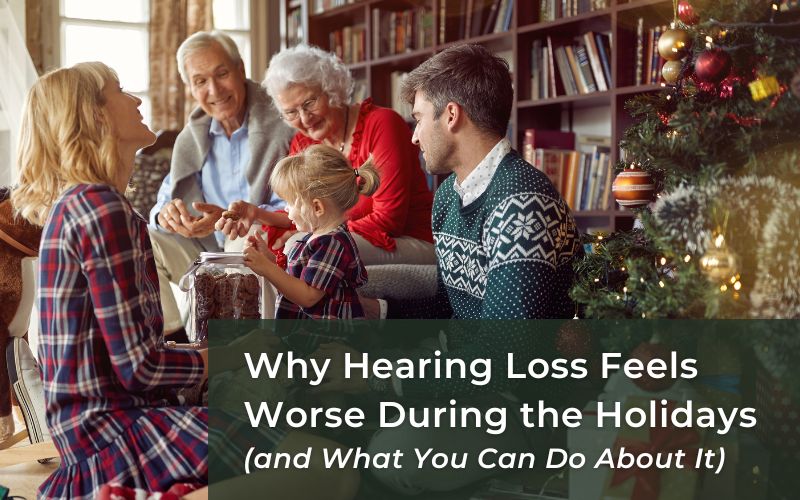
The holidays bring people together in the loudest way possible. A house full of family, kids running around, pots and pans clattering, music humming in the background, and multiple conversations happening at once. It’s warm, chaotic, and joyful but if someone in the family is struggling to hear, this is the time of year when it becomes painfully obvious.
Many people go through the entire year managing “just fine,” only to reach December and suddenly realize they’re missing half the night’s conversations. There’s a reason for that, and it’s not simply because gatherings are louder. It’s because the brain and ear are pushed to their limits in these environments, and if there’s any underlying hearing loss, those limits show up fast.
How the Ear and Brain Respond to Competing Sounds
Most people think hearing loss is simply about “volume.” In reality, the biggest challenge isn’t loudness, it’s clarity. The technical term for this is frequency selectivity, which describes the ear’s ability to separate different sounds that occur close together in pitch. When someone has normal hearing and normal processing, they can distinguish between consonants and vowels in background noise. When hearing loss develops, even mild loss, the outer ear hair cells lose that sharp tuning ability. Instead of filtering sounds into clean, separate categories, everything starts to blur together. The brain is suddenly competing with noise, and speech can feel like it’s tangled inside a mess of sound. This is why someone with hearing loss can understand you perfectly in a quiet kitchen, but minutes later they can’t follow a conversation at the dinner table. It’s not inconsistency, it’s physiology.
The Real Reason Speech Becomes Hard to Understand in Background Noise
Background noise makes hearing loss obvious because of how the auditory system processes competing signals.
Here’s what actually happens inside the ear:
Damaged Hair Cells and “Sound Blurring”
Healthy hair cells respond best to very specific frequencies. When they’re damaged, they respond to a broader range of sounds. This means speech sounds especially consonants like S, F, T, K, P get smeared together with noise.
Why the Brain Works Harder to Fill in Missing Words
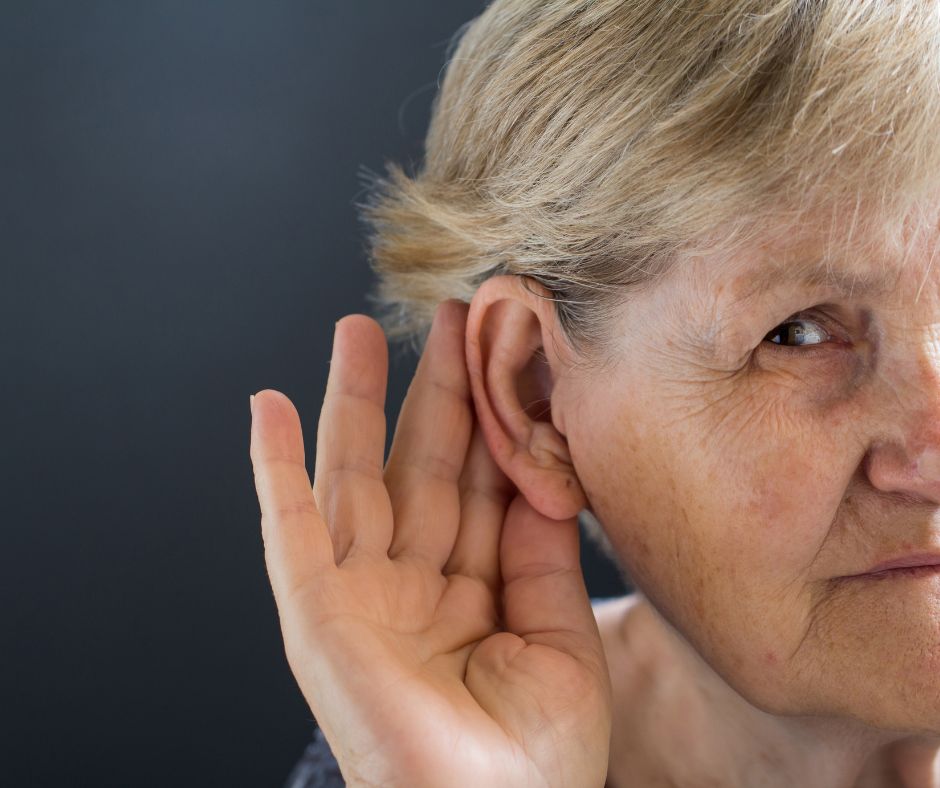
Instead of receiving a clean signal, the brain gets incomplete pieces of words and tries to fill in the gaps. That’s why people with hearing loss say, “I can hear you, but I can’t understand you.”
Noise pulls attention away from speech
With hearing loss, even a small amount of background noise competes with words and wins. The voice you’re trying to focus on has to fight harder to stand out.
Listening effort skyrockets.
This constant guessing and filtering drains cognitive energy. By the end of a holiday gathering, people with hearing loss are exhausted, quiet, or withdrawn not because they’re antisocial, but because their brain is fatigued.
That’s why families notice hearing loss most in December. The person who seemed fine all year suddenly looks confused, lost, or left out. The crowd exposes what quiet settings hide.
Common Signs a Loved One Is Struggling to Hear This Season
If you’re watching your parents or grandparents this season, pay attention to these moments:
- They smile and nod instead of responding
- They withdraw from group conversations
- They answer incorrectly because they misheard
- They keep turning their ear toward you
- They stay quiet during dinner
- They prefer talking one-on-one in the kitchen
- They avoid crowded rooms
Practical Ways to Improve Hearing in Noisy Holiday Environments
Here’s the good news: there are effective ways to make holiday gatherings easier and more enjoyable both with and without hearing aids.
1. Choose your seating wisely
Position a person with hearing loss where their back is to a wall or corner. This reduces competing noise behind them and improves clarity.
2. Reduce layered sounds
A TV playing, music in the background, and multiple conversations at once is a perfect storm. Lowering just one source of noise can make a massive difference.

3. Use lighting to your advantage
Good lighting helps with lip-reading and facial cues, something all humans rely on more than they realize.
4. Face the person directly
Side-talking makes understanding nearly impossible for anyone with hearing loss.
Tips for Hearing Aid Users During Holiday Gatherings
Here are additional tools to help:
1. Turn on the “speech in noise” or “restaurant” program if applicable.
Most premium devices have the technology that improves clarity by focusing on speech and reducing background noise automatically but your audiologist may have set up an additional program called speech in noise or restaurant program and you can switch to this program on your hearing aid phone application.
2. Turn on your iPhone's live microphone
If you have an iPhone, with Live Listen, you can hold the phone near the person you’re trying to hear, which gives a direct stream of their voice to your hearing aids. It can be very effective in noisy environments.
3. Clean the hearing aids before gatherings
Replace the wax filters and domes. Clogged filters can reduce clarity dramatically. You can also schedule an appointment with an assistant to clean your hearing aids for you if you are unable to or need a refresher on how to do so.
4. Make an appointment with your audiologist before Christmas
To ensure everything is working well with your hearing aids and up to date, make an appointment with your audiologist and tell them about any concerns.
When to Encourage a Hearing Test After the Holidays
If someone is struggling with conversations this Christmas, that’s a sign the hearing system is under strain. A full hearing evaluation gives clear answers.
1. Encourage them gently and tell them you noticed they seemed quieter or had a hard time following conversations.
2. Explain that hearing tests give information, not obligations. It is good for everyone to have a baseline hearing evaluation.
3. Remind them that treating hearing loss early preserves brain health, relationships, and independence.
The holidays can spotlight a relative or friend with hearing loss. All the laughter, noise, clatter, and overlapping conversations reveal what’s been happening under the surface all year. A little awareness now can make this season feel more connected, more joyful, and more inclusive for everyone at the table.
Interested in learning more? Attend one of our regular hearing solution events to learn more about our unique approach to hearing loss or give us a call at 916-646-2471.
Contact Us NowFeatured In


