Noise-induced hearing loss is growing more common in our noisy world. Whether you attended a loud event with no hearing protection or work in a loud industry that gradually chips away at your hearing, if you’ve noticed one of the following signs, it could indicate that damage has been done to your hearing.
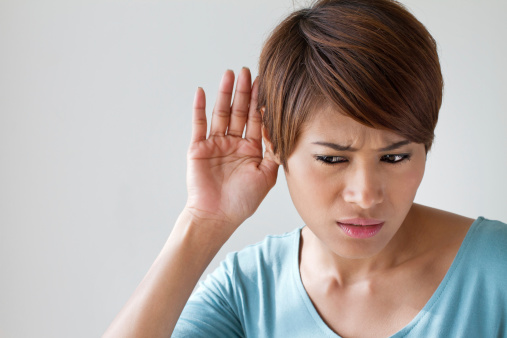
1: Sounds Seem Muffled
If all noises around you seem to be quieter or even sound like they’re underwater, that could be a sign of noise damage to your ears. It may also be accompanied by a feeling of fullness in the ear, as if you had cotton stuffed in your ears. This is called a temporary threshold shift, or TTS, and it’s the most common effect of loud noise exposure.
TTS occurs when the small hair-like sensory cells in the cochlea are bent but not fully damaged. They usually return to normal after a few days. Beware, though; they may retain some acoustic trauma even after hearing levels go back to normal, and repeated TTS can cause a permanent threshold shift (PTS).
2: Difficulty Hearing High-Pitched Sounds
Another sign of damage to the cochlear hair cells is the loss of high-pitched sounds, like birds chirping, the microwave beeping or children’s laughter. You may retain normal hearing ability for lower-pitched sounds. This occurs because the first hair cells to be damaged are usually those that perceive high-pitched sounds. These particular hair cells are located closer to the front of the cochlea, so they bear the brunt of the forceful sound wave.
3: Difficulty Hearing Background Noise
This one might be hard to notice at first because our brains already filter out background noise. Your brain categorizes sounds like the refrigerator humming and even your own footsteps as background noise and reduces its perception of them in order to focus on other, more important sounds.
However, when exposed to loud noise, this will become more pronounced. Your brain may need to work harder to hear the more important sounds, so it drops listening for background noise altogether. Or the hair cells may be too damaged to pick up on quieter noises in your environment.
4: Noise Sensitivity
Conversely, noise damage can also make everyday sounds seem much louder than they should. Sound sensitivity like this is called hyperacusis. In extreme cases of hyperacusis, one might even experience ear discomfort or pain when exposed to noise.
5: Ringing in the Ears
Ringing in the ears, or tinnitus, is another common side effect of loud noise exposure. It is the perception of a phantom sound that is entirely in your ear—there is nothing that is physically making a sound. This occurs because your brain realizes that it’s getting less sound information from the ears than it should, so it generates its own sound to fill in the gaps.
What to Do if You Notice Signs of Noise Damage
If you notice any changes to your hearing, it’s a good idea to seek help from a hearing health professional. All of these symptoms listed above can be temporary or permanent, and even if they are temporary at first, that doesn’t mean that irreversible damage hasn’t been done.
If you’ve noticed muffled hearing, difficulty hearing high-pitched sounds and background noise, hyperacusis, tinnitus or any other changes in your hearing following loud noise exposure, call The Hearing Solution to schedule a hearing test.