If you’re in your 50s, 60s or early 70s and struggling to hear clearly, high blood pressure could be one piece of the puzzle. Research published in BMJ Open found that hypertension was significantly associated with hearing loss, suggesting that long-term damage to blood vessels may affect the structures responsible for hearing.1
The tiny structures responsible for hearing are supplied by some of the body’s smallest blood vessels. Over time, hypertension can damage blood vessels throughout the body, including those that support the inner ear.
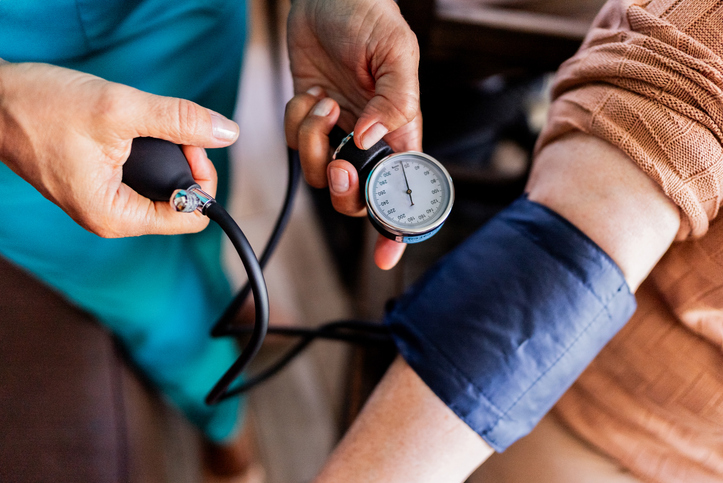
Symptoms Of Hypertension
One challenge with hypertension is that many people have no noticeable symptoms at all. That’s why it is often called a “silent” condition.
When symptoms do occur, they can include:
- Headaches
- Shortness of breath
- Dizziness
- Chest discomfort
- Changes in vision
The American Heart Association notes that hypertension often develops without obvious warning signs, making regular blood pressure monitoring especially important.2
How Hypertension Can Affect Hearing Health
Your inner ear contains tiny sensory cells that help convert sound into signals your brain can interpret. These structures are remarkably delicate. They also require consistent blood flow.
Over time, hypertension can damage blood vessels throughout the body, including the small vessels that support the inner ear. When circulation becomes less efficient, those hearing structures may not receive the nutrients and oxygen they need to function at their best.
For many adults in Sacramento, California’s Central Valley and beyond, this connection can go unnoticed because hearing changes tend to happen gradually.
More Than Hearing Loss
Hearing loss isn’t the only ear-related concern associated with hypertension.
Some people experience:
- Tinnitus, including ringing, buzzing or pulsing sounds
- Episodes of dizziness or imbalance
- A feeling of fullness or pressure in the ears
These symptoms don’t automatically mean high blood pressure is the cause. Still, they’re worth discussing with both your physician and hearing care provider, especially if they appear alongside cardiovascular concerns.
Can High Blood Pressure Cause Tinnitus?
Yes. High blood pressure can contribute to certain forms of tinnitus, particularly pulsatile tinnitus, which may sound like a heartbeat in the ear. Changes in vascular pressure and blood flow can sometimes make these sounds more noticeable and persistent.
Does Treating Hypertension Improve Hearing?
Not usually if permanent hearing loss has already occurred. Managing blood pressure may help protect overall vascular health and could reduce the risk of additional damage to the inner ear over time.
How Hypertension Can Contribute To Hearing Loss
The relationship comes down to blood supply.
The cochlea, the hearing organ within the inner ear, relies on a network of very small blood vessels. Chronic hypertension can cause those vessels to become thicker, narrower or less efficient. As circulation changes, the sensory hair cells inside the cochlea may become damaged.
Unlike many other cells in the body, these hair cells do not regenerate once they are lost. That’s one reason hearing loss associated with vascular changes can become permanent.1
The good news? Understanding possible contributing factors gives you a chance to take action. If you’re managing hypertension and have begun noticing difficulty hearing higher-pitched voices, understanding speech in restaurants or following conversations with family members, a comprehensive hearing evaluation can help clarify what’s happening.
At The Hearing Solution, hearing loss treatment begins with understanding the whole picture, not just the hearing test itself. If you’ve been wondering whether changes in your hearing could be connected to your overall health, a conversation with an audiologist may be a helpful next step.
Sources
1 Yang P, Ma W, Zheng Y, Yang H, Lin H. “A Systematic Review and Meta-Analysis on the Association Between Hypertension and Hearing Loss.” BMJ Open. 2021. https://pmc.ncbi.nlm.nih.gov/articles/PMC4735998/
2 American Heart Association. “High Blood Pressure Symptoms.” https://www.heart.org/en/health-topics/high-blood-pressure/the-facts-about-high-blood-pressure/