We classify hearing loss by degree, ranging from mild to profound. According to research published in JAMA, an estimated 55 million U.S. adults will have hearing loss by 2030, including about 35 million with mild hearing loss.1
Getting diagnosed with mild hearing loss can trigger a thought process where you may assume that “mild” means it doesn’t yet require treatment. The truth is that while the hearing loss may be mild, it can significantly affect your quality of life.
How Mild Hearing Loss Can Affect Daily Life
Mild hearing loss will range from being barely noticeable in some situations to annoyingly obvious in others. You might be able to hear your spouse just fine in the living room, then find that half the conversation seems to disappear into the background noise when you meet friends at Temple Coffee.
Over time, the extra effort to understand speech can become exhausting.
Some common effects of mild hearing loss include:
- Frequently asking people to repeat themselves
- Difficulty following conversations in restaurants or group settings
- Feeling mentally tired after social events
- Turning the television volume up higher than others prefer
Mild hearing loss in younger people may also affect education. A large study of nearly 4,700 adolescents found that slight to mild hearing loss was associated with a higher likelihood of being placed in a lower educational level, demonstrating that even relatively small hearing changes can have meaningful real-world consequences.2
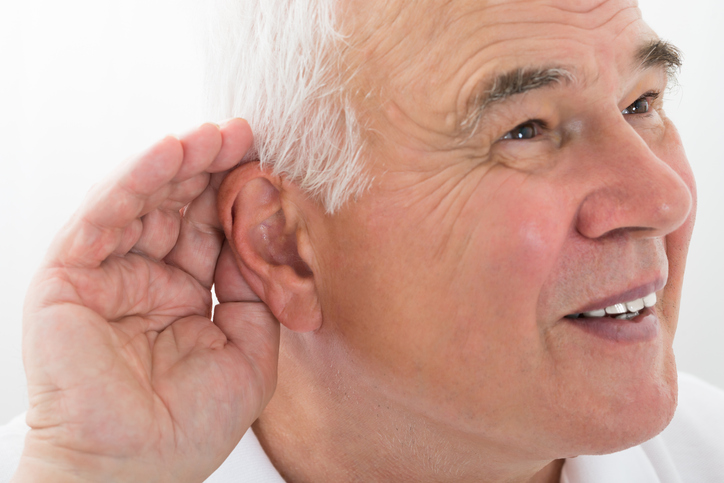
Although mild hearing loss often starts as a minor inconvenience, it rarely remains that way indefinitely.
Can Mild Hearing Loss Get Worse Over Time?
Yes. Mild hearing loss can progress, depending on the underlying cause. Age-related hearing loss and other forms of sensorineural hearing loss tend to develop gradually, which is why regular monitoring is important even when symptoms seem manageable.
Treatment Options For Mild Hearing Loss
Following a mild hearing loss diagnosis, treatment recommendations may include:
- Professionally fitted hearing aids
- Auditory training exercises
- Communication strategies for difficult listening environments
- Treatment of underlying medical issues when appropriate
Not everyone with mild hearing loss requires the same solution. The goal is to find an approach that matches your hearing needs, lifestyle and communication goals.
Benefits Of Treating Mild Hearing Loss Early
One of the biggest advantages of treatment is the reduction of the daily strain of listening. Patients often report benefits such as:
- Easier conversations with family and friends
- Better understanding in restaurants and community gatherings
- Less frustration during social interactions
- Greater confidence participating in discussions
Mild hearing loss may seem easy to live with at first, but if you’re noticing trouble hearing higher-pitched voices, missing parts of conversations or working harder to understand speech, it’s worth scheduling a treatment consultation. Our team at The Hearing Solution will take the time to understand how hearing loss affects your life so we can make informed recommendations for your care. Contact us today to schedule your consultation.
Sources
1 Lin, F. R., & Reed, N. S. (2025). Hearing aids for adults with mild to moderate hearing loss. JAMA. https://jamanetwork.com/journals/jama/fullarticle/2849449
2 Reijers, S. N. H., Vroegop, J. L., Jansen, P. W., Kremer, B., & van der Schroeff, M. P. (2025). The Impact of Slight to Mild Hearing Loss on Academic Performance and Behavior of 9-15-Year-Olds. The Laryngoscope, 135(4), 1511–1519. https://doi.org/10.1002/lary.31908